
"Brazil NY grade"
140 article(s) found
Kenyan coffee beans graded by the number of defective beans Introduction to fine coffee
This is the earliest grading method and is still in use in many parts of Brazil. The method of identification is to take a random sample of 300 grams and put it on black paper, because black paper can best avoid reflection. Then, professional appraisers carefully inspect the samples to find defective beans and accumulate different scores according to the types of defects. For example, one black bean counts as one.

Introduction to the treatment and grading of coffee beans in Brazil the taste and flavor characteristics of Huangbourne in Queen's Manor
When it comes to Brazilian coffee beans, many people don't seem to have much impression, but Brazil is actually a very important part of making espresso beans. Brazilian coffee is the largest coffee producer and the most complete coffee production base in the world. it is slightly bitter and smooth in the fragrance. He is not only the largest coffee producer, but also the second largest coffee consumer.

Encyclopedia of Coffee talking about individual Coffee
Today, I casually typed individual coffee on Baidu, and the results are as follows: single coffee is made from single coffee beans produced in the country of origin, and pure coffee is usually drunk without milk or sugar. Have strong characteristics, special taste: or fresh and soft, or mellow smooth; the cost is higher, so the price is more expensive. For example, the famous Blue Mountain Coffee and Brazilian Coffee
Introduction to Grinding Manor by Variety treatment method in Coffee production area in Kenya
Coffee producing areas in Kenya say this is the earliest grading method, which is still in use in many parts of Brazil. The method of identification is to randomly take 300 grams of samples and put them on black paper, because black paper can best avoid reflection. Then, examined carefully by the professional appraiser, find out the defective beans in the sample, and accumulate different scores according to the types of defects. For example, one black bean counts as one point.

Flavor characteristics of Brazilian Italian concentrated red bourbon coffee beans proportion of coffee beans blended for export
Professional coffee knowledge exchange more coffee bean information Please follow the coffee workshop (Wechat official account cafe_style) Brazil is the world's number one coffee producer, Brazilian coffee beans full particles, mild aroma and beans, moderate sour taste, smooth taste, is the representative of neutral coffee, individual taste or mixed with other coffee beans are an excellent choice. Tea

Classification standard and food safety standard of coffee beans what documents do you need to apply for to open a coffee shop?
Coffee bean grading standards and food safety standards what documents are required to open a coffee shop this is the earliest grading method, and it is still in use in many parts of Brazil. The method of identification is to randomly take 300 grams of samples and put them on black paper, because black paper can best avoid reflection; then a professional appraiser will examine it carefully to find out the defective beans in the sample and press the defective ones.

How is the grade of coffee divided? What is the highest grade of coffee beans?
There are a wide variety of coffee beans, and the prices are high and low, so what's the difference between them? How is the grade of coffee divided? Today we will introduce the classification of coffee beans. There are differences in hierarchy between different regions of different countries; for example, mainly 300 in Ethiopia

What is Brazilian Santos coffee? What are the characteristics of Brazilian coffee? How do you drink Brazilian coffee?
Professional coffee knowledge exchange more coffee bean information please follow the coffee workshop (Wechat official account cafe_style) Brazil is the world's largest coffee producer accounts for about 33% of coffee production, but because Brazil is located in the tropical rain forest, the terrain is relatively flat with few high-altitude mountain forests, most coffee is grown in low-altitude non-volcanic soil areas, and there is not much shade.
Kenyan Kenya AA Coffee Kenyan Coffee beans mocha Coffee
This classification method is based on a variety of perforated screen classification, the screen has a variety of specifications, identified by the number, the number is associated with the mesh. The size of the mesh-1 stroke 64 inches is the unit of calculation. If the diameter of the mesh is 18 stroke 64 inches, the number of the screen is 18; if the diameter of the mesh is 17 inch 64 inches, the number of the screen is 17. And so on, there are 19, 16, 15, 1

Description of Manor name and Flavor in boutique Coffee producing area in Kenya introduction to planting environment of taste varieties
This is the earliest classification of Kenyan coffee beans and is still in use in many parts of Brazil. The method of identification is to randomly take 300 grams of samples and put them on black paper, because black paper can best avoid reflection. Then, examined carefully by the professional appraiser, find out the defective beans in the sample, and accumulate different scores according to the types of defects. For example, one black bean counts as one point and one stone counts as one.
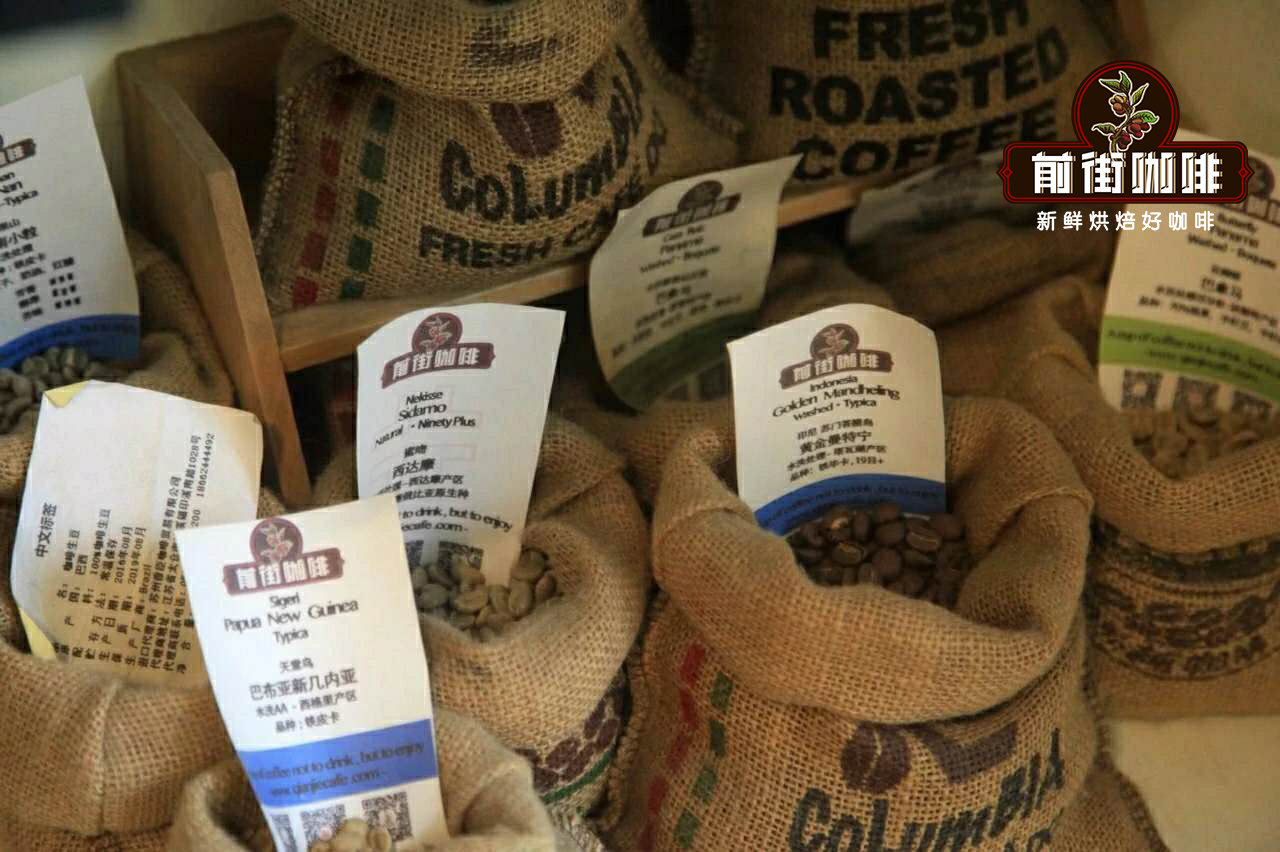
What does coffee bean grade G1 G2 G3 G4 AA PB SHB stand for? Grade of coffee beans in various countries
What exactly do the grades of coffee beans G1, G2, G3, G4, AA, PB and SHB represent? The name of a coffee may contain messages such as country, producing area, variety, treatment, cup quality, bean order, bean shape or color, defect, raw bean density, etc. To really understand the naming of coffee, we must first understand the classification and classification of coffee. Classification and classification of coffee

Introduction to the flavor characteristics of Brazilian Sandoz coffee, the most famous brand of Brazilian coffee
For the exchange of professional baristas, please follow the coffee workshop (Wechat official account cafe_style) Brazil Brasil Brazil is the largest coffee producer, providing nearly 45% of the world's raw coffee beans. The length of the country's dry season may even affect coffee prices around the world. The main producing areas in Brazil are Minas Gerais Minas Gerais, Sao Paulo Sao Paulo and Bahia Ba.
The Historical Story of Brazilian Coffee Distribution, altitude Environment and Flavor and Taste characteristics of Brazilian Coffee beans
The Portuguese introduced coffee to Brazil in the 18th century, making Brazil the largest coffee producer in the world, supplying more than 80% of the world's coffee in 1920. In 1999, the first World Cup of Excellence was held in Brazil. The coffee growing areas in Brazil are mainly concentrated in the southeast.

Kenyan coffee grading method-points classification of defective beans-high classification of origin
◎ in order to produce a high degree of classification, generally speaking, due to the cold climate, slow growth rate of coffee, higher density of raw beans, harder texture, more mellow aroma of coffee, and supple sour taste; on the contrary, the density of raw beans is smaller, the texture is less hard, the quality of coffee is worse, so some people classify by hardness. This grading method can be divided into the following categories

The flavor characteristics of Brazilian coffee describe how to drink handcups. Classification system of flavor elements of coffee beans
Professional coffee knowledge exchange more coffee bean information please follow the coffee workshop (Wechat official account cafe_style) Brazil is the largest coffee producer, providing nearly 45% of the world's coffee raw beans. The length of the country's dry season may even affect coffee prices around the world. Brazil is the largest country in Latin America and the world's largest coffee producer in the past 150 years. The world

How to choose Brazilian coffee beans, ranking by Brazilian coffee bean grading screening system.
Brazil is the largest bean-producing country in the world, with a total land area of 8.5149 million square kilometers and the largest country in South America. Last year, Brazil produced 61.62 million bags of coffee beans (60kg each). With such a large output, how are its coffee beans graded? The origin of Brazilian coffee: coffee began to be introduced into Brazil in the 18th century. At present, the emerging middle class in Brazil is promoting coffee in
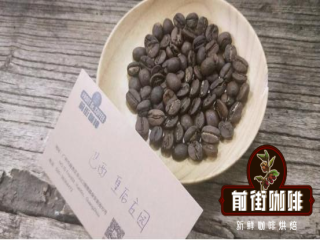
What kind of cocoa chocolate coffee beans do you have? Flavor Evaluation of Yellow Bourbon non-sour Coffee beans in Queen's Manor
Some friends don't like sour coffee beans. Are there any coffee beans that are not sour? Yes, there is! This Panamanian Queen's Manor, this coffee is from FazendaRainha (Queen's Manor), which covers an area of 280mu and is located in ValedaGrama, an ancient volcanic valley in Brazil.

Brazilian Coffee | Brazilian Coffee History | Brazilian Coffee producing area | Brazilian Coffee Variety
When it comes to Brazilian coffee, we all know that Brazil is the world's largest coffee producer and the world's second largest coffee consumer (the first is the United States), so where does Brazilian coffee come from? What are the coffee producing areas and famous estates in Brazil? Which varieties are mainly planted and how to grade them? Today, the editor will share with you the coffee giant Brazil on the World Coffee Tour. Cymbal

Brazilian yellow bourbon suitable for grinding thick and thin queen manor coffee bean flavor description
The thick and thin Queen's Manor Coffee Bean Flavor description Cerrado is an area where Cerrado coffee beans are treated by the traditional Brazilian method of pulp natural drying (Pulped Natural). Since coffee beans are dried together with peel pulp (Pulp) and pectin (Mucilage), they retain high organic, mineral and soluble solids.

Washing coffee bean grade pb aa coffee bean semi-washing procedure
Coffee beans some people say that the size of beans will not affect the flavor of coffee, such as Yemeni coffee, beans have large and small particles, but it is still the top grade of coffee. However, there are many producing areas, [the size of coffee beans]